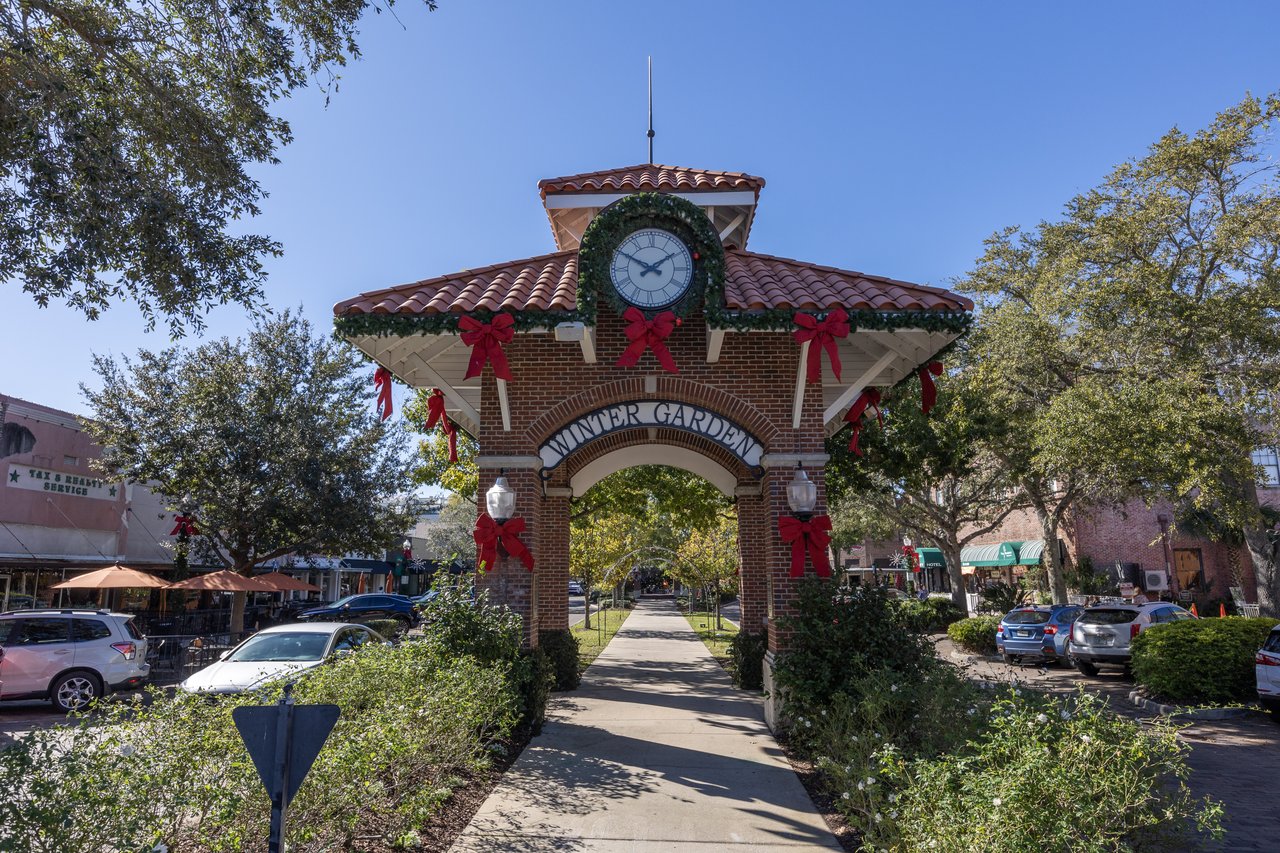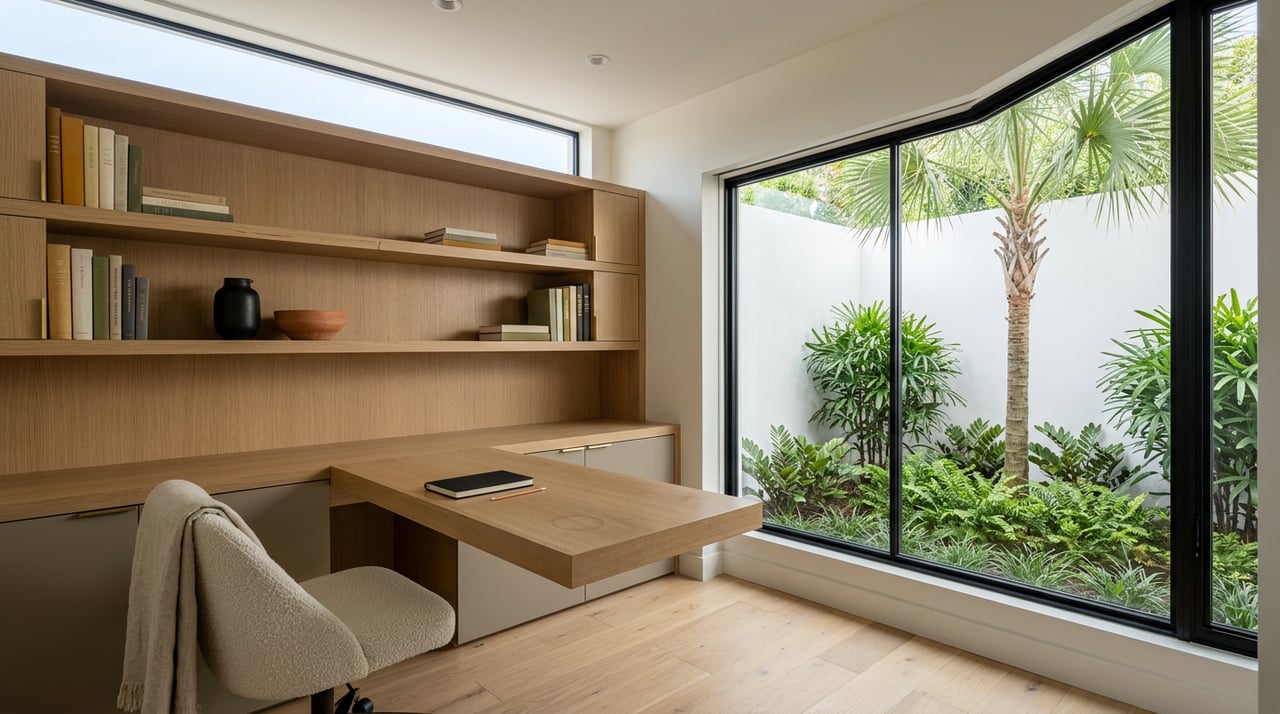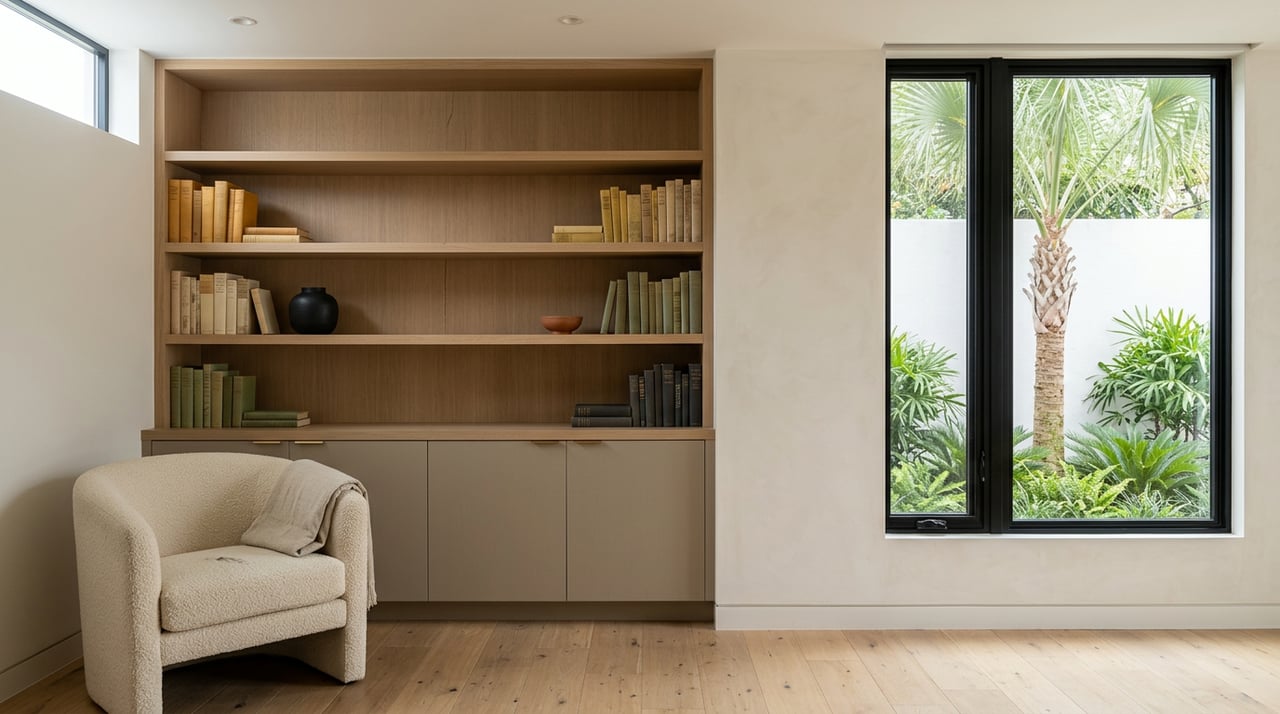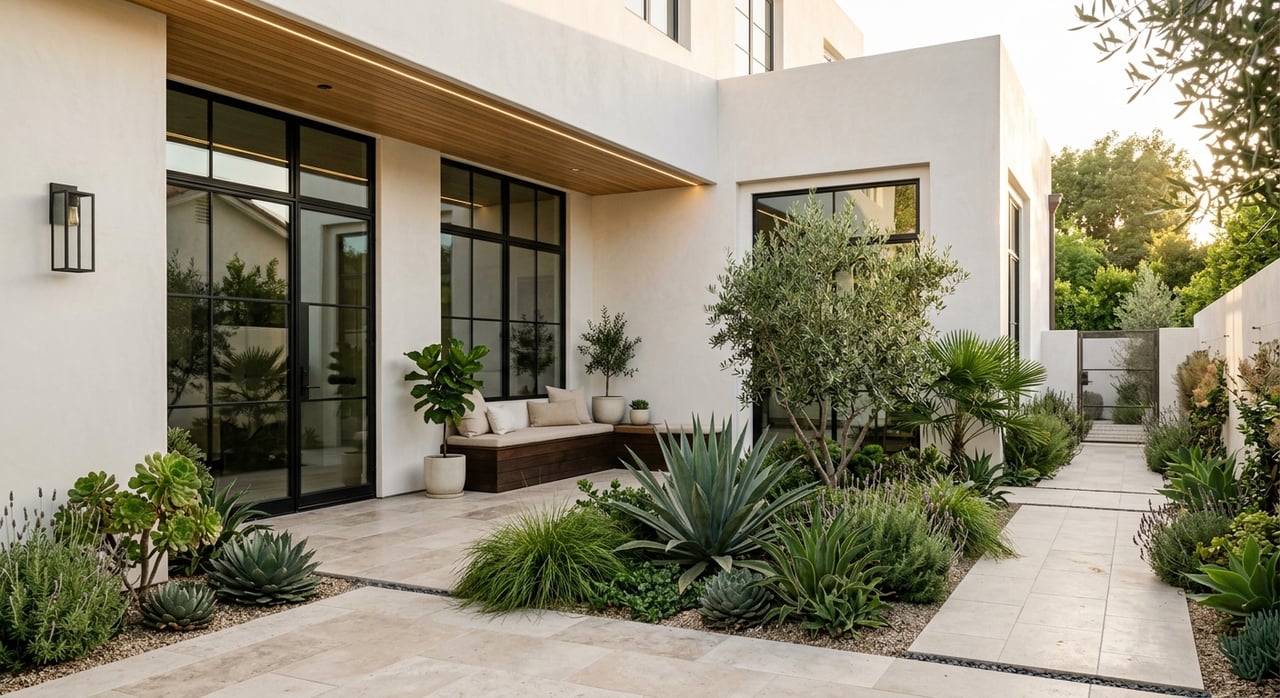
Should you choose a fully custom build or a move‑in‑ready spec home in Winter Garden? If you are weighing speed against design freedom, you are not alone. The best choice depends on your timeline, risk tolerance, and how you want to live. In this guide, you will learn how each path works here in Winter Garden, what affects cost and schedule, and the due‑diligence steps that protect your investment. Let’s dive in.
Timeline: how fast can you move?
Spec and model home timing
If you are targeting speed, a finished spec or model home is usually the fastest option. Once you go under contract, you can often close on a completed home within a standard mortgage window of 30 to 60 days. If the home is still under construction, ask the builder for written completion milestones and a target closing date.
In Winter Garden, some builders pre‑pull permits on model or spec inventory. That can remove weeks from the process compared with starting a custom plan from scratch. Always confirm the status of permits and inspections with the builder, and ask how weather or material delays are handled in the contract.
Custom build timing
A custom estate takes longer. Your timeline includes lot selection, design, HOA architectural review where required, City of Winter Garden plan review and permitting, and then construction with multiple inspections. Site work in Central Florida can add lead time, especially if soil conditioning, fill, drainage, or utility extensions are needed.
Your total schedule can run many months to over a year depending on design scope, site conditions, builder workload, and changes during construction. Build in buffer time. Weather events, supply shifts, and plan revisions are common causes of slippage in Florida.
Design control and personalization
Spec and model personalization
With a spec or model home, design choices are mostly set. You may be able to select finishes the builder has not installed yet or add upgrades during certain build windows. Exterior elevation, structural layout, and lot placement are usually fixed by the community’s site plan and any HOA guidelines.
In planned subdivisions like Lakeview Village Estates, expect architectural oversight that can limit exterior colors, fencing, and accessory structures. Request the HOA covenants, conditions, and restrictions early so you know the rules before you sign.
Custom home freedom
A custom build gives you high control over floor plan, finishes, and how the home relates to the site. You can orient rooms for views, plan outdoor living around sun and shade, and tailor details to your routines. That freedom comes with more decisions, more documentation, and more coordination with architects and engineers.
If your lot is near water or has a unique grade, a custom approach lets you solve for drainage, views, and privacy from day one. Keep in mind that HOA design guidelines and city codes still apply, even for one‑of‑a‑kind homes.
Budget predictability and cost structure
Spec and model price certainty
Finished spec homes offer stronger price certainty. Your contract price at signing is usually the price you close at. Many builders include new‑home warranties and may offer incentives or help with closing costs during promotions. In a low‑inventory market, expect less room to negotiate and more pressure on pricing.
Custom cost variables
Custom budgets are less predictable because more inputs can move. Your total includes:
- Land and lot premiums, especially for lakefront or larger estate sites.
- Hard construction costs for labor and materials that can shift with the market.
- Soft costs such as architectural and engineering fees, permits, impact fees, and utility connections.
- Contingency for unseen conditions and change orders. Many consultants recommend a contingency of 10 to 20 percent of the base construction budget.
Financing also matters. Custom projects often use construction‑to‑permanent loans with interest‑only draws during the build. Longer timelines add carrying costs for housing, storage, and debt service. Ask your lender for a clear draw schedule and inspection process so you understand cash flow.
Risk, contracts, and quality control
Spec and model protections
When buying a spec or model home, you assume less construction risk because the scope is defined. Still, protect yourself by:
- Requesting builder disclosures and a full list of included features.
- Scheduling an independent inspection before closing if allowed.
- Confirming warranty coverage for systems and structure and how claims are handled.
Custom contract must‑haves
Custom building shifts more risk to you if contracts are vague. To safeguard your interests:
- Verify the builder’s license and insurance with the Florida Department of Business & Professional Regulation.
- Require a written scope of work with clear specifications and allowances.
- Decide on a fixed‑price versus cost‑plus structure and set how change orders are priced and approved.
- Include a payment schedule tied to milestones, retainage, and a dispute resolution clause.
- Plan third‑party inspections at key stages such as foundation, framing, pre‑drywall, and final.
Resale and appraisal considerations
Spec and model resale
Spec homes in planned communities often appraise more predictably because there are clear comparable sales with similar plans and finishes. That uniformity can help at resale because buyers can compare apples to apples.
Custom home resale
Custom estates can command a premium if the design, materials, and lot are exceptional. Highly personalized features, however, can narrow your future buyer pool. Appraisals can be more complex when there are few comparable properties. Focus on timeless layout choices, durable finishes, and popular functional features to support value.
Winter Garden factors to check first
Permitting and reviews
Plan review and permit timelines run through the City of Winter Garden, with multi‑discipline reviews for structural, mechanical, plumbing, and electrical. Some communities also require HOA architectural review. Confirm current review timing before you sign a contract.
Flood, wind, and code compliance
Check FEMA flood zone maps for your exact parcel. Flood zone status influences finished‑floor elevation, design choices, and insurance. All new construction must comply with the Florida Building Code, which sets wind and hurricane requirements that affect windows, roofing, and structural tie‑downs. These features add cost but can improve durability and insurance options.
Utilities and impact fees
Verify water and sewer availability and capacity for your lot. The city or county may assess impact fees for roads, utilities, parks, or mobility. Clarify in writing whether the builder’s price includes these fees and any utility connection costs.
HOA and community rules
Expect covenants and design guidelines in master‑planned neighborhoods like Lakeview Village Estates. These can set limits on exterior materials, colors, fencing, pools, and accessory structures. Ask for the plat, HOA documents, and any architectural guidelines before you finalize design.
Lot supply and site costs
Premium lakefront or oversized lots are limited and can carry higher prices. Site conditions such as soil quality, tree removal, and stormwater management can add cost to custom builds. Obtain a survey and, for custom projects, a geotechnical report so you can budget accurately.
Practical checklists you can use
Early discovery for any new build
- Confirm legal lot size, setbacks, buildable envelope, and easements.
- Request the recorded plat, HOA covenants, and community design guidelines.
- Verify utility service and any connection fees for water, sewer, and power.
- Check FEMA flood zone status and any elevation requirements for the lot.
For spec and model buyers
- Walk the home at its current stage and note any completion items.
- Confirm what is included, such as appliances, landscaping, and window treatments.
- Request builder disclosures, warranty terms, and any recent inspection reports.
- Negotiate price, closing date, seller‑paid costs, and inspection contingencies.
For custom home buyers
- Order a site survey and geotechnical report to understand soil and water table.
- Review your builder’s portfolio and speak with local references.
- Verify licensing and insurance and understand which trades are self‑performed versus subcontracted.
- Require a detailed scope, specifications, and a clear change‑order process with pricing method.
- Set a milestone schedule and remedies for excessive delays when time matters.
Financing checkpoints
- Spec buyers usually use standard mortgages. Ask your lender about appraisal expectations for new construction.
- Custom buyers typically use construction‑to‑permanent loans. Confirm draw schedules, inspection triggers, and interest accrual. Plan for housing and storage during the build.
Inspections and oversight
- For spec, schedule an independent inspection before closing, plus a final walk‑through with a punch list.
- For custom, plan third‑party inspections at key stages. Consider having your architect or a project manager perform periodic site reviews.
Resale and marketability
- Review recent comparable sales and days on market with your agent.
- For custom plans, align bedroom count, kitchen layout, outdoor living, and energy‑efficiency with what future buyers in Winter Garden are likely to want.
- In lake‑oriented communities, confirm how lot position affects long‑term value.
When a spec home makes more sense
Choose spec or model inventory if you value speed, a defined budget, and a simpler process. This route is ideal if you are relocating on a timeline, want warranty coverage with limited decisions, and prefer predictable appraisal and resale.
When a custom home is the better fit
Choose custom if you prioritize design intent and a site‑specific lifestyle. You will invest more time and decision‑making, and you should plan for cost contingency. The reward is a home tailored to your routines, views, and long‑term vision.
How Davila helps you decide
If you want both options on the table, partner with a builder who does each well. Davila offers curated spec and model inventory alongside commissioned custom estates, all supported by a single team that manages architecture, interiors, construction, and sales. That integration gives you one point of contact, a smoother design process, and better coordination from plan to punch list.
Our team works across gated and lake‑focused enclaves in West and Southwest Orlando, including boutique infill and master‑planned projects like Lakeview Village Estates. Whether you prefer a move‑in‑ready home or a bespoke estate, we can help you evaluate lots, navigate HOA guidelines, confirm permitting pathways, and set a realistic budget and timeline. Ready to explore your path in Winter Garden? Book a Tour with Davila Custom Homes.
FAQs
What costs differ most between custom and spec homes in Winter Garden?
- Custom builds carry added soft costs for design and engineering, site‑specific work, and a recommended contingency of 10 to 20 percent, while finished spec homes offer a more fixed contract price at signing.
Which option is fastest to move into in Winter Garden?
- A completed spec or model home is typically the fastest because permitting and construction are already complete; a to‑be‑built spec can be quicker than custom since scope is predefined.
Are spec homes a weaker investment than custom estates?
- Not necessarily; spec homes often appraise more predictably and appeal to a broader buyer pool, while custom estates can command premiums when design, materials, and lot quality are exceptional.
How should I vet a builder for a custom Winter Garden home?
- Verify licensing and insurance with the Florida DBPR, review recent comparable projects, check local references, confirm warranty practices, and understand which trades are subcontracted.
What Florida‑specific risks should I plan for when building?
- Confirm flood zone and elevation requirements, hurricane and wind compliance under the Florida Building Code, roofing and pool permitting needs, and insurance availability and premiums for the location.
How do HOA rules affect my choices in communities like Lakeview Village Estates?
- HOA covenants and design guidelines can limit exterior materials, colors, fencing, pools, and accessory structures, so request and review these documents before finalizing design or purchase.