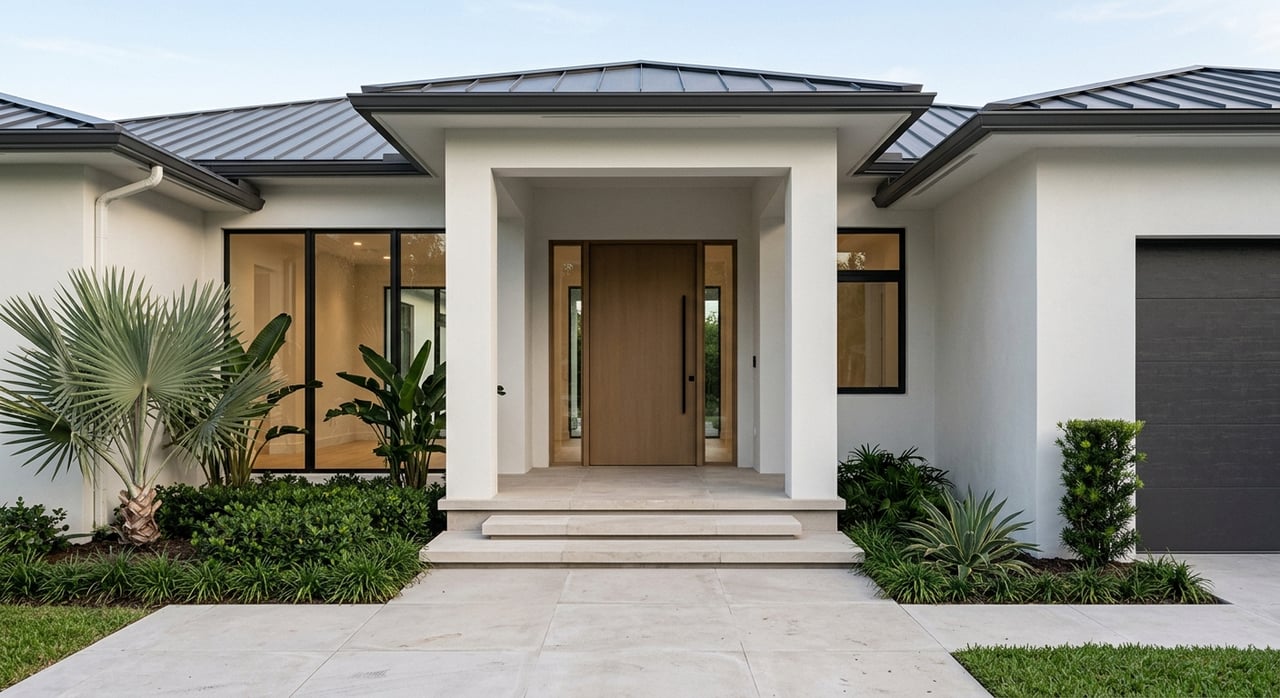
If you are planning a fully custom home at Signature, the biggest question usually is not whether you can create something remarkable. It is how to make smart decisions early so the design, budget, and timeline stay aligned. When you are building a one-of-a-kind estate in Golden Oak, every choice has ripple effects. This guide will walk you through the planning process, what to expect in Orange County, and how to approach your custom home with confidence. Let’s dive in.
Start With the Homesite
At Signature by Davila Homes, the opportunity starts with scale and flexibility. This collection includes just seven fully custom residences on homesites of one acre or more, with homes beginning at over 6,000 square feet and designed in collaboration with architect Fabiano Hayasaki. That means your planning process should begin with the land itself, not just the floor plan.
A large homesite opens up possibilities for arrival experience, privacy, outdoor living, pool design, guest accommodations, and how the home sits on the property. It also means site conditions matter early. Before you finalize design ideas, you will want clarity on feasibility, grading, drainage, utility coordination, and how the home will be positioned for function and flow.
Define What Fully Custom Means
A fully custom home gives you more control, but it also asks for more decisions upfront. Unlike a move-in-ready home, this path is built around your priorities, your layout, and your design vision. That is part of what makes Signature a high-touch experience.
Davila Homes is positioned for that kind of work. The company describes a single-point-of-contact model supported by an in-house team that includes architects, interior designers, landscape architects, lighting consultants, construction managers, real estate agents, and mortgage brokers. For you, that can mean fewer handoff points and a more coordinated planning process from concept through completion.
Build Your Vision in Stages
One of the smartest ways to plan a custom home is to think in decision stages. Davila’s design studio process is structured step by step, starting with exterior selections, then moving to interior selections, and ending with a final selection presentation. That approach can help you stay organized and avoid making disconnected choices.
Plan the Architectural Concept
Your early conversations should focus on how you want to live in the home. This includes room count, entertaining areas, wellness spaces, office needs, garage configuration, and the relationship between indoor and outdoor spaces. On a one-acre-plus homesite, circulation and siting are just as important as square footage.
This is also the stage to think about long-term use. You may want spaces that support multigenerational living, visiting guests, or flexible rooms that can evolve over time. The strongest custom plans balance visual impact with daily practicality.
Make Exterior Selections First
Exterior selections set the tone for the home and often influence technical decisions as well. Materials, rooflines, window placement, driveway approach, outdoor living areas, and landscape intent all affect the overall concept. On a custom estate, these choices help shape both curb appeal and how the home performs on the site.
Because Davila’s process begins with the exterior, this stage is a good time to confirm how the architecture connects to the homesite. You are not just choosing finishes. You are deciding how the home presents itself, how outdoor areas function, and how the property comes together as a complete experience.
Move Into Interior Selections
Once the exterior direction is in place, interior selections become easier to refine. This stage typically includes flooring, cabinetry, countertops, tile, plumbing fixtures, lighting direction, trim details, and other finish materials. Davila emphasizes a hands-on selection process so clients can see and touch materials before making decisions.
That matters because custom homes are built on layers. The most polished interiors usually come from coordinated choices rather than isolated upgrades. When materials are reviewed together, it is easier to create a home that feels cohesive from room to room.
Finalize the Full Package
The final selection presentation pulls the home together before construction moves deeper into execution. This is where major choices are reviewed as a complete package so you can confirm the design direction and understand how the details work together. It is one more checkpoint that supports clarity before the build advances.
For a project at this level, that kind of review helps reduce surprises. It also reinforces the value of a single, coordinated team managing architecture, design, and construction under one process.
Understand the County Approval Process
A custom home in Orange County comes with a formal review and permit process that should be part of your planning from day one. The county’s current code baseline is the 8th Edition 2023 Florida Building Code, effective December 31, 2023. Your plans need to align with the current code environment, which can affect design details, engineering, and documentation.
For new residential construction, Orange County says plans and required documents are submitted through Fast Track. The county reviews zoning first, and if approved, the application routes to Building Safety. This is one reason custom homes generally take longer than inventory homes. The process includes design work, plan preparation, review, permit routing, and site-related coordination.
Know What Must Be Submitted
Orange County’s checklist for a new residential structure includes several items that matter to your timeline. These include a site plan, lot grading and drainage information, construction plans prepared by a Florida-licensed architect or engineer, energy calculations when applicable, beam engineering when applicable, and a product approval specification sheet. Final inspections are also required before the permit can be closed.
For you, the takeaway is simple: a custom home involves more than design inspiration. It also requires a complete technical package. Working with a team that handles permitting and coordination with local officials can make this stage much more manageable.
Know Who Handles Permits and Subpermits
Orange County requires a licensed contractor for permit issuance. Once the building permit is issued, related subpermits such as roofing, mechanical, plumbing, gas, and irrigation must also be obtained. Those moving parts are another reason coordination matters in a fully custom project.
Davila states that its services include design and build, land acquisition and development, permitting, and coordination with local officials. If you are planning at Signature, that end-to-end model can help keep the process organized across design decisions, county review, and construction milestones.
Budget for More Than Base Construction
When you plan a fully custom home, it helps to separate the construction contract from outside costs that may apply during development and permitting. In Orange County, residential development is assessed impact fees for Transportation, Fire, Law Enforcement, Parks & Recreation, and Schools. The county states these fees are paid when the permit is issued, are subject to change by ordinance, and may be deferred only through the county’s deferred-impact-fee process before permit issuance.
That means these charges should be treated as distinct line items in your budget. They are not the same as finish upgrades or design allowances. Planning for them early can help you avoid budget pressure later in the process.
Account for Utility Charges
Utility planning is another area where early budgeting helps. Orange County Utilities currently lists a water capital charge of $2,790 per Equivalent Residential Connection and a wastewater capital charge of $5,270 per Equivalent Residential Unit. The county also states there is no capital charge for reclaimed-water connections.
Depending on the property and system design, builders may also need connection-pressure information or hydraulic-modeling analysis to properly design water, wastewater, or reclaimed-water systems. On a large custom homesite, these utility considerations can affect both engineering and timing.
Expect a Longer Timeline for More Control
If speed is your top priority, a fully custom home is usually not the fastest option. Davila’s own guidance notes that fully custom homes take longer because of design, permitting, and site work. That is normal, especially for a home designed around a specific homesite and a personalized selection process.
The upside is control. You have the opportunity to shape the architecture, tailor the layout, and coordinate every major finish and exterior element from the start. At Signature, that tradeoff is part of the appeal.
Prepare Financing and Logistics Early
Even in a design-forward project, practical details matter. If financing is part of your plan, it is wise to start those conversations early so your approval timeline matches the design and permit schedule. Davila’s in-house support structure includes mortgage brokers, which can help streamline planning if financing guidance is needed.
You should also think ahead about utility startup. Orange County notes that home service should be arranged at least three days before service is needed. That may sound like a small detail, but in the final stretch of a custom build, small logistics can affect your move-in experience.
Why Signature Appeals to Custom Buyers
Signature is designed for buyers who want more than a standard new construction path. With only seven residences, one-acre-plus homesites, and fully custom design in the Golden Oak corridor, the focus is on personalization, scale, and a highly coordinated process. This is not about speed or uniformity. It is about creating a home that responds to your lifestyle and your property.
Davila Homes brings useful local credibility to that process. The company says it was established in 2010, has completed more than 800 residential units, and has earned multiple Parade of Homes awards in recent years. For a custom buyer, that experience can matter because design ambition only works when it is matched by execution.
If you are considering a fully custom home at Signature, the best first step is to approach the process with a clear framework. Start with the homesite, organize decisions in stages, understand county requirements, and budget for permit-related and utility-related costs outside the base build. With the right team and a thoughtful plan, your home can move from concept to completion with far more clarity.
If you are ready to explore what a custom estate at Signature could look like for you, connect with Davila Custom Homes to start the conversation.
FAQs
What makes a home at Signature by Davila Homes fully custom?
- A home at Signature is fully custom because the design is created around your homesite, layout needs, and material selections rather than built from a pre-set inventory plan.
What should buyers plan first for a custom home in Golden Oak?
- You should start with the homesite, including siting, grading, drainage, utility coordination, and how the home will relate to outdoor living areas.
What is included in Orange County permit review for a new custom home?
- Orange County requires plan submission through Fast Track and may require items such as a site plan, grading and drainage information, construction plans by a Florida-licensed architect or engineer, energy calculations when applicable, beam engineering when applicable, and product approval specifications.
What costs are separate from the base custom home price in Orange County?
- Buyers should plan for separate line items such as county impact fees and utility-related charges, which can be due outside the base construction contract.
What utility charges may apply to a custom home in Orange County?
- Orange County Utilities currently lists a water capital charge of $2,790 per Equivalent Residential Connection and a wastewater capital charge of $5,270 per Equivalent Residential Unit, with no capital charge for reclaimed-water connections.
Why do fully custom homes usually take longer to complete?
- Fully custom homes typically take longer because they involve personalized design work, permit review, site coordination, and a more detailed selection process than move-in-ready homes.