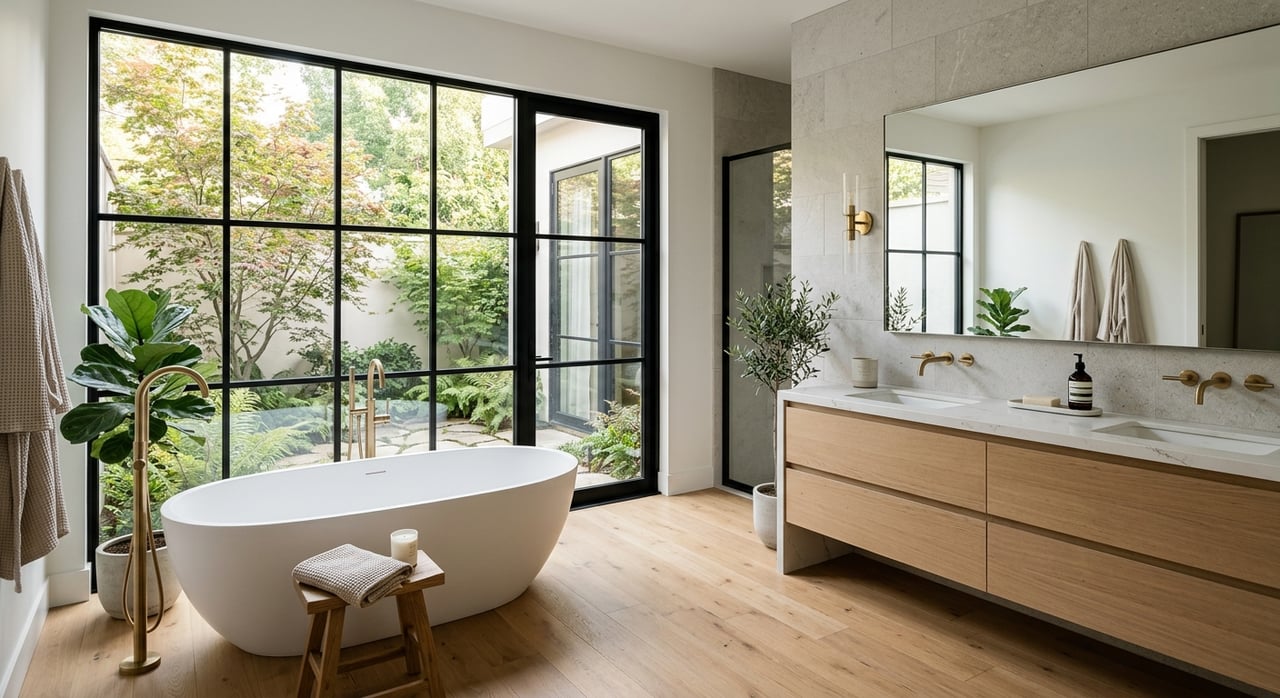
What if your home could help you feel calmer, sleep better, and enjoy daily life more fully from the moment you walk in? At Preserve at Lakeside in St. Cloud, that idea makes sense because the community is framed around balance, space, and a nature-connected setting. When you plan a wellness-focused home here, you can shape everything from light and privacy to airflow and outdoor living around the way you want to live. Let’s dive in.
Why wellness design fits Preserve at Lakeside
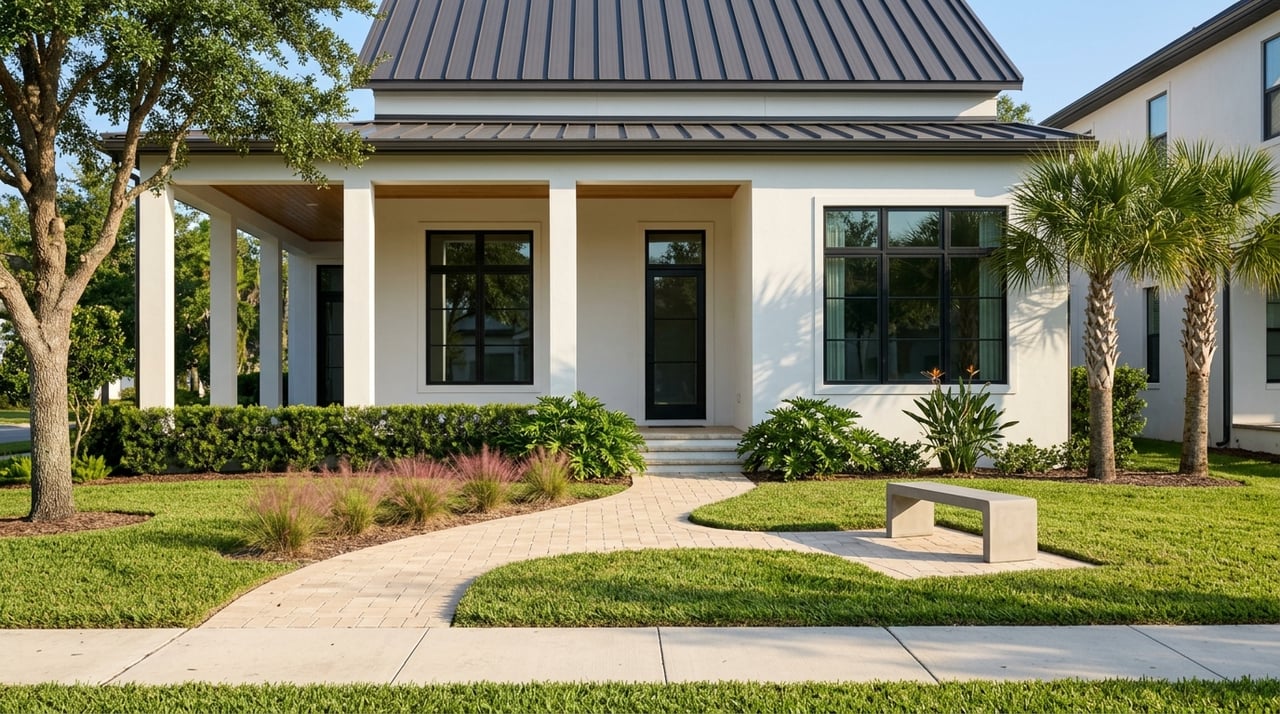
Preserve at Lakeside is positioned as a community where architecture works with the landscape instead of competing with it. That makes wellness design feel natural here, not forced. You can begin with views, daylight, and a sense of calm, then build the layout and finishes around those priorities.
St. Cloud’s climate also plays a big role in what wellness looks like at home. Nearby NOAA climate normals show average daily highs from 71.8°F in January to 91.5°F in July, with 52.57 inches of annual precipitation and wetter conditions concentrated in summer and early fall. Because hurricane season runs from June 1 through November 30, a thoughtful home plan should account for strong sun, humidity, heavy rain, and seasonal storms.
That is why wellness in Central Florida is not just about style. It is also about performance. A beautiful home should feel comfortable, support everyday routines, and respond well to the local environment.
Start with daylight and shade
Natural light is one of the best places to begin. The U.S. Department of Energy recommends thinking about windows by orientation, since each direction brings a different kind of light and heat. In simple terms, south-facing windows can help admit winter sun, north-facing windows can bring more even light with less glare, and east- and west-facing windows often need more control because they can create glare and summer heat gain.
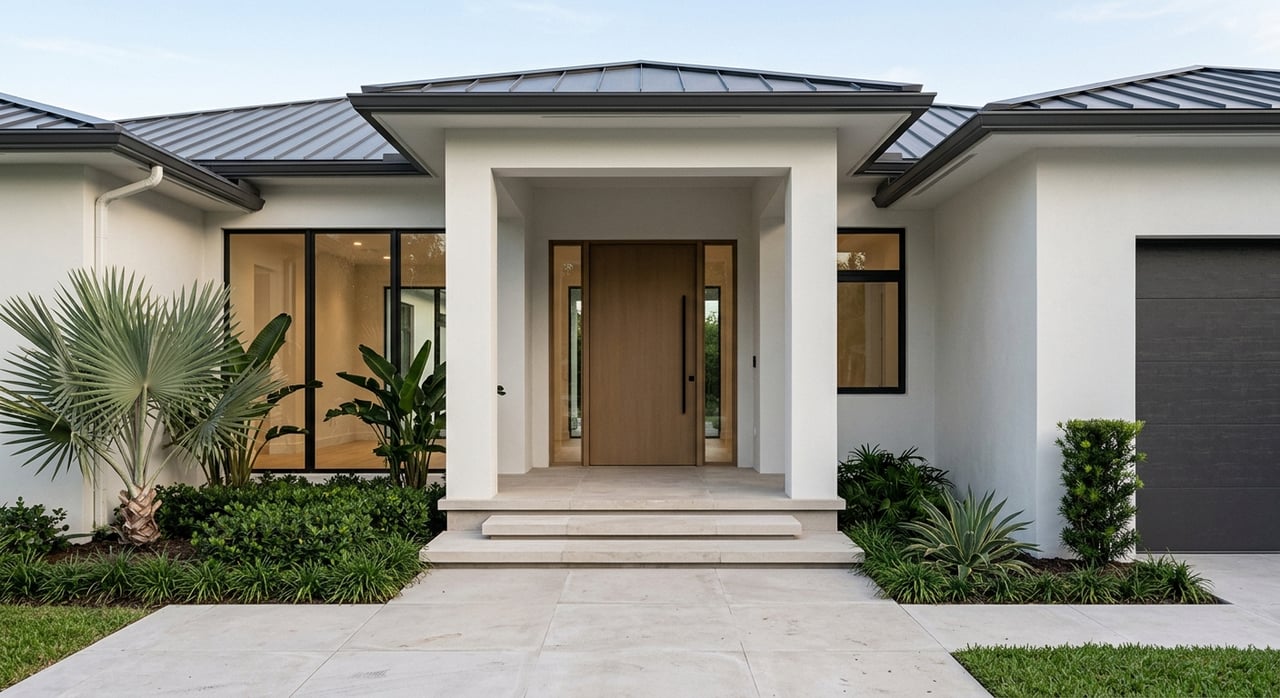
In Preserve at Lakeside, the goal is usually not maximum glass at any cost. It is better to balance openness with comfort. Overhangs, screens, louvers, and low-e glazing can help you enjoy bright interiors without turning your living room into a heat trap.
This matters for wellness as much as energy use. A recent PubMed review notes that daytime light exposure affects circadian regulation, sleep processes, and mood-related outcomes. If you want a home that supports your daily rhythm, morning light in the kitchen, breakfast area, or office can be helpful, while bedrooms may benefit from more controlled light and stronger blackout options.
Rooms that benefit most from light planning
Some spaces deserve extra attention early in the design process:
- Kitchen and main living area: aim for bright, usable daylight without harsh afternoon glare
- Home office or flex room: prioritize steady light that supports focus and comfort
- Primary bedroom: plan for calm light during the day and darker sleep conditions at night
- Bathrooms: bring in daylight where possible, while protecting privacy and moisture performance
Make indoor-outdoor living climate-smart
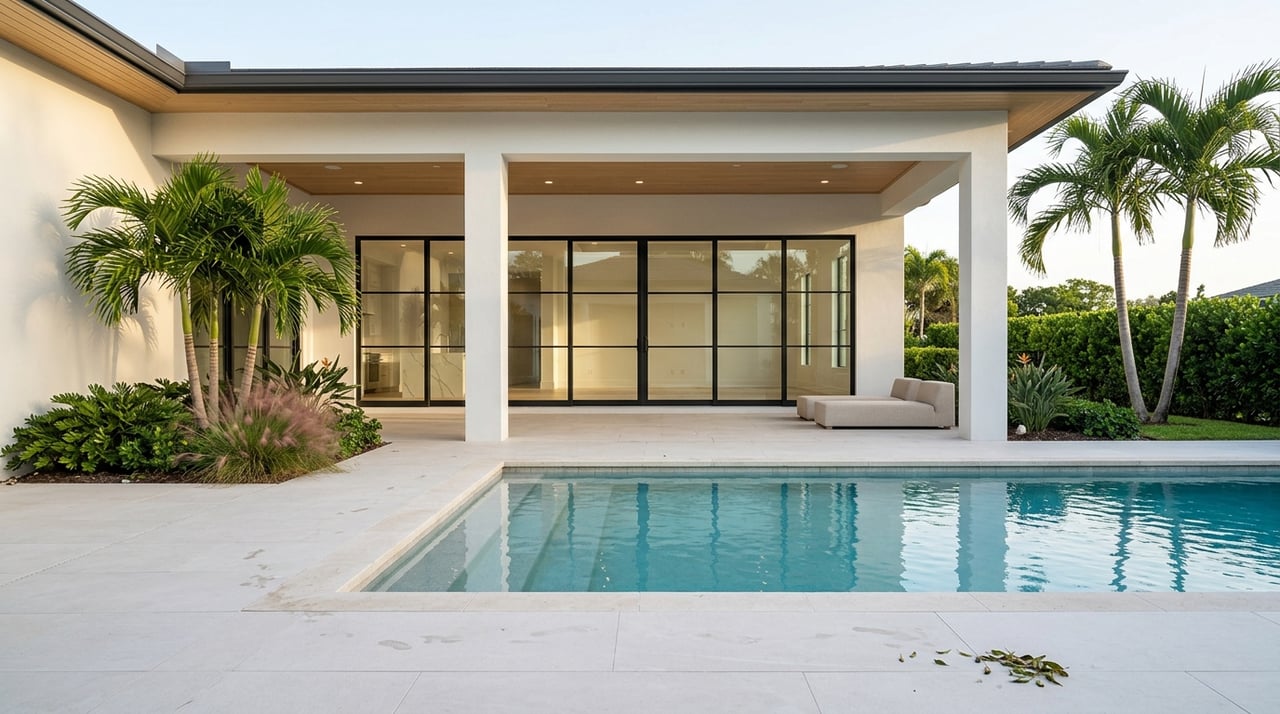
Indoor-outdoor flow is a big part of Florida living, but it works best when you treat it as a climate response, not just a lifestyle upgrade. In St. Cloud, covered lanais, deep overhangs, and durable threshold details can make outdoor spaces more comfortable through hot weather, heavy rain, and changing conditions. That approach can help your outdoor living areas stay useful across more of the year.
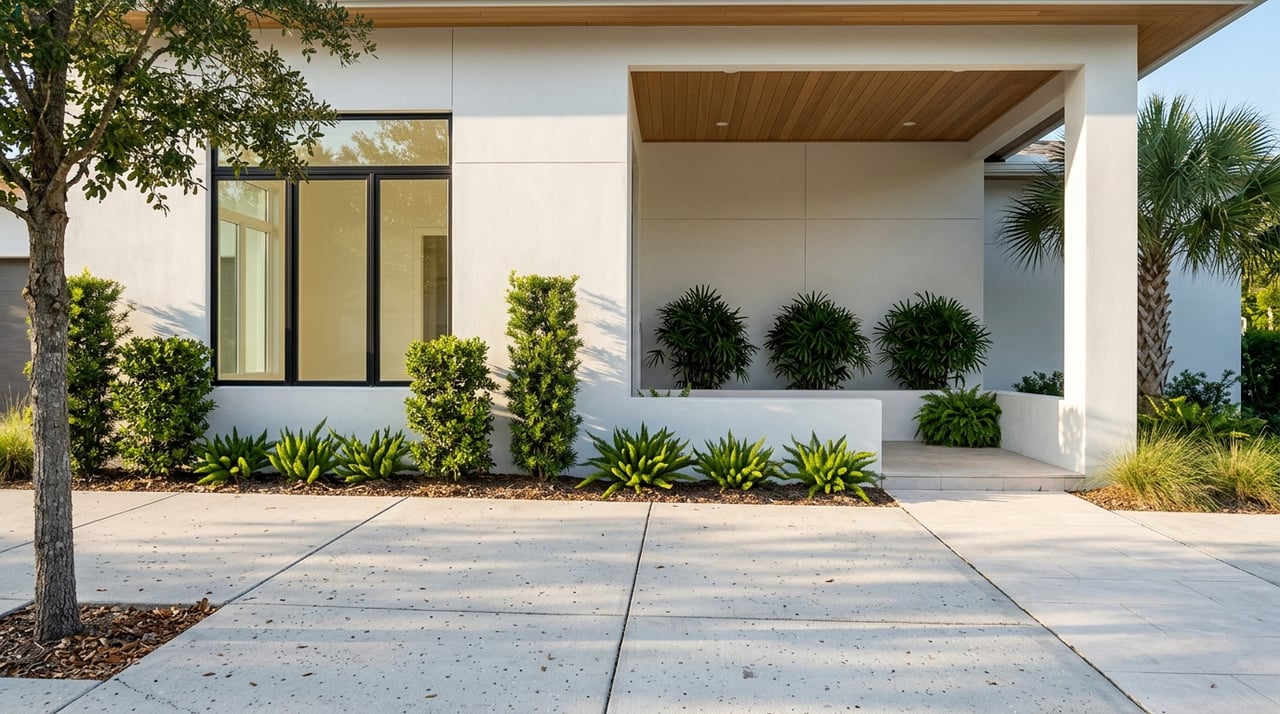
Drainage also deserves attention from day one. The city notes that stormwater runoff is a leading cause of local water-quality degradation, which supports careful grading, landscape planning, and drainage around patios and walkways. A wellness-focused home should feel easy to enjoy, and that includes outdoor areas that stay functional after a summer storm.
You can think of this as designing for fewer interruptions. Shade, moisture-tolerant materials, and smart site planning can help your lanai, path, and backyard feel more dependable in real life. That is often what makes a home feel more restful over time.
Outdoor features worth planning early
- Covered lanai space for shade and rain protection
- Deep overhangs to reduce sun exposure at glass openings
- Hardscape and grading that move water away from the home
- Exterior finishes and flooring that hold up well in humid conditions
- Landscape choices that support water-wise upkeep
Create a flex room with a real purpose
A wellness-focused home often includes at least one room that can adapt as your needs change. The key is to give that room a clear job from the beginning. Instead of calling it a flex room and leaving the details vague, decide whether it is most likely to serve as a home office, guest room, fitness room, quiet retreat, or study space.
That decision shapes better design choices. Storage, lighting, acoustic separation, and furniture layout all work better when the room has a defined role. It can still stay versatile, but it will feel intentional instead of leftover.
Davila Homes’ design studio process is especially useful here because it considers neighborhood and weather impacts early and then guides you through exterior and interior selections before the home is finalized. That makes it easier to match room planning with materials, lighting, and finishes that support the way you want to use the space.
Protect quiet and privacy
Wellness at home is not only visual. It is also acoustic. The EPA says unwanted sound can interfere with sleep, conversation, and quality of life, and the CDC notes that loud noise can contribute to stress and hearing damage.
In practical terms, a better floor plan often places bedrooms away from the noisiest entertaining areas. Solid-core doors, buffered hallways, and closet zones between rooms can also help reduce sound transfer. If you work from home or want a peaceful retreat, keeping that room away from the busiest parts of the house can make a real difference.
The primary suite deserves special attention here. A calm suite should feel separate enough to support rest, even when the rest of the home is active. That kind of separation is one of the most valuable features you can build into the plan.
Prioritize air quality and humidity control
In Central Florida, indoor air quality and moisture control should be part of the design conversation from the start. EPA guidance points to three core strategies: control pollution sources, provide adequate ventilation, and use supplemental filtration. The EPA also says indoor humidity is ideally kept between 30% and 50%, since high humidity raises the chance of mold.
That guidance fits naturally with a wellness-focused home in St. Cloud. Strong bath and kitchen exhaust, thoughtful HVAC planning, and good filtration can support a cleaner, more comfortable indoor environment. Low-VOC finishes and moisture-resistant details can also help reduce indoor irritants.
This is one of the clearest examples of wellness meeting performance. A home that looks refined but struggles with humidity will not feel comfortable for long. Better ventilation and moisture planning help protect both your daily comfort and the long-term condition of the home.
Air quality details to discuss during design
- HVAC sizing and equipment planning
- Filtration options for everyday indoor comfort
- Whole-house and spot ventilation
- Bath exhaust and kitchen exhaust placement
- Low-VOC paint, flooring, and finish selections
- Moisture-resistant materials in high-humidity areas
Design a primary suite for recovery
A spa-like primary suite is about more than a beautiful finish package. It should function as a place to recover, reset, and slow down at the end of the day. In Florida, that usually means controlled daylight, layered lighting, a quiet layout, and materials that can handle humidity well.
Simple planning choices matter here. Window placement, shading, shower ventilation, linen storage, and sightline control between the bedroom, bath, and dressing areas all affect how the suite feels every day. When these details are handled well, the space feels calmer and easier to live in.
A strong primary suite should feel bright when you want it to and protected when you do not. That balance is especially important in a climate where sunlight, moisture, and temperature can quickly make a room feel exposed or stuffy. Wellness design helps you avoid those tradeoffs.
Think about water use and water preferences
Water is another practical part of the wellness conversation. St. Cloud directs water-service customers to Toho Water Authority, and Toho’s 2024 drinking-water report says the water produced follows federal and state water-quality regulations. For many buyers, the question is not compliance, but whether they want added treatment for taste, shower feel, or long-term preference.
That is why it can be smart to discuss space or rough-ins for optional water upgrades during the planning phase. A point-of-use filter or room for whole-home treatment may be worth considering if it aligns with your preferences. These are not mandatory fixes, but they can be thoughtful refinements.
It also helps to plan landscaping with local utility realities in mind. The city’s water report notes a mandatory two-day-per-week irrigation schedule for St. Cloud customers. That makes water-wise landscape planning a practical part of a low-stress, wellness-oriented home.
Why coordination matters in a wellness build
A wellness-focused home works best when the pieces connect. Window placement affects heat and mood. Room layout affects noise. Materials influence moisture performance. Landscape and drainage affect how outdoor spaces feel after a storm.
That is where a coordinated process adds real value. Davila Homes serves as a single point of contact from the initial vision through finishing touches, with design/build and interior design services supported by a broader team that includes architects, interior designers, landscape architects, lighting consultants, construction managers, real estate agents, and mortgage brokers.
For you, that means the home can be planned more holistically. Instead of making isolated choices room by room, you can align architecture, interiors, outdoor living, and performance details around one clear goal: a home that feels as good as it looks.
If you are exploring how to build a wellness-focused home at Preserve at Lakeside, Davila Custom Homes can help you bring together design, comfort, and everyday livability in one thoughtful process.
FAQs
What does a wellness-focused home at Preserve at Lakeside include?
- A wellness-focused home at Preserve at Lakeside often emphasizes natural light, glare control, quiet room placement, healthy indoor air, humidity management, and climate-smart outdoor living.
How should daylight be planned for a home in St. Cloud, FL?
- In St. Cloud, daylight planning should consider window orientation, shade, and glazing so you can enjoy bright interiors while limiting glare and excess heat gain.
Why is humidity control important in a St. Cloud home?
- Humidity control matters in St. Cloud because Central Florida’s climate can increase moisture indoors, and EPA guidance says high humidity raises the likelihood of mold.
What should a flex room include in a wellness-focused floor plan?
- A flex room should be planned around a real use, such as an office, guest room, fitness area, or quiet retreat, so lighting, storage, and privacy can support that purpose.
Are water upgrades required for homes in St. Cloud?
- Water upgrades are generally optional wellness preferences, since Toho Water Authority reports that the drinking water produced follows federal and state water-quality regulations.
Why is covered outdoor living important at Preserve at Lakeside?
- Covered outdoor living is important because St. Cloud has strong sun, summer rain, and a long wet season, so shade and weather protection can make outdoor spaces more usable.