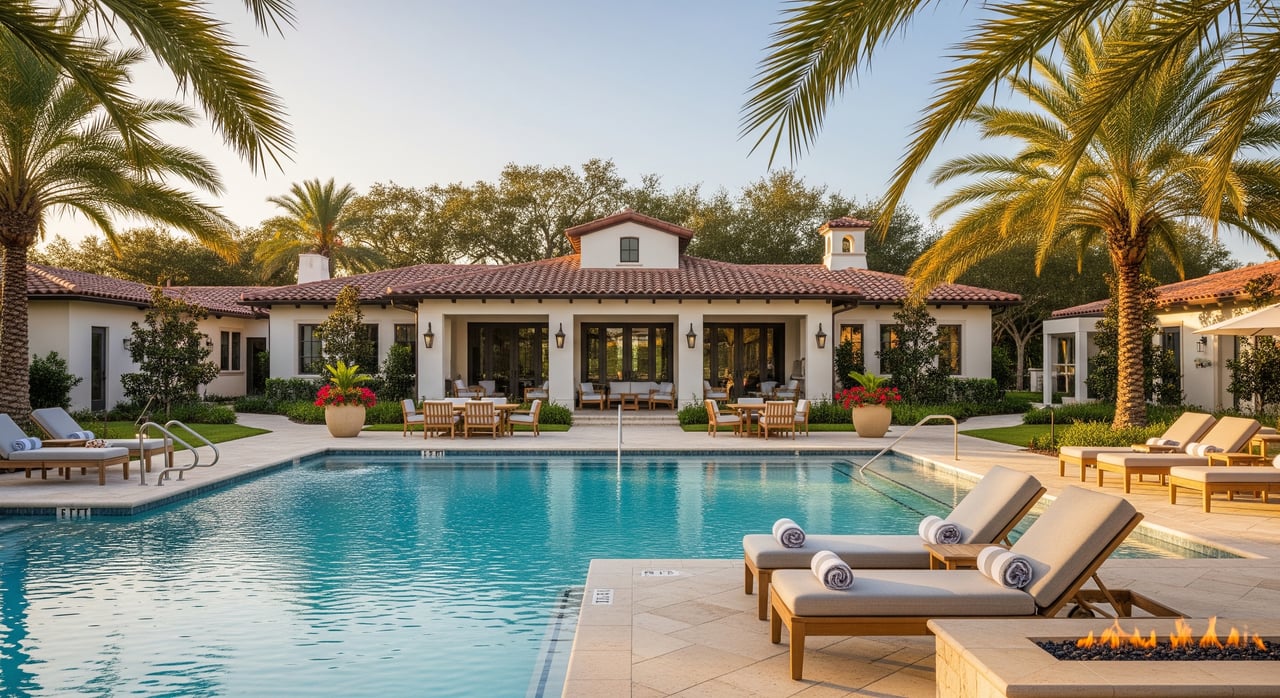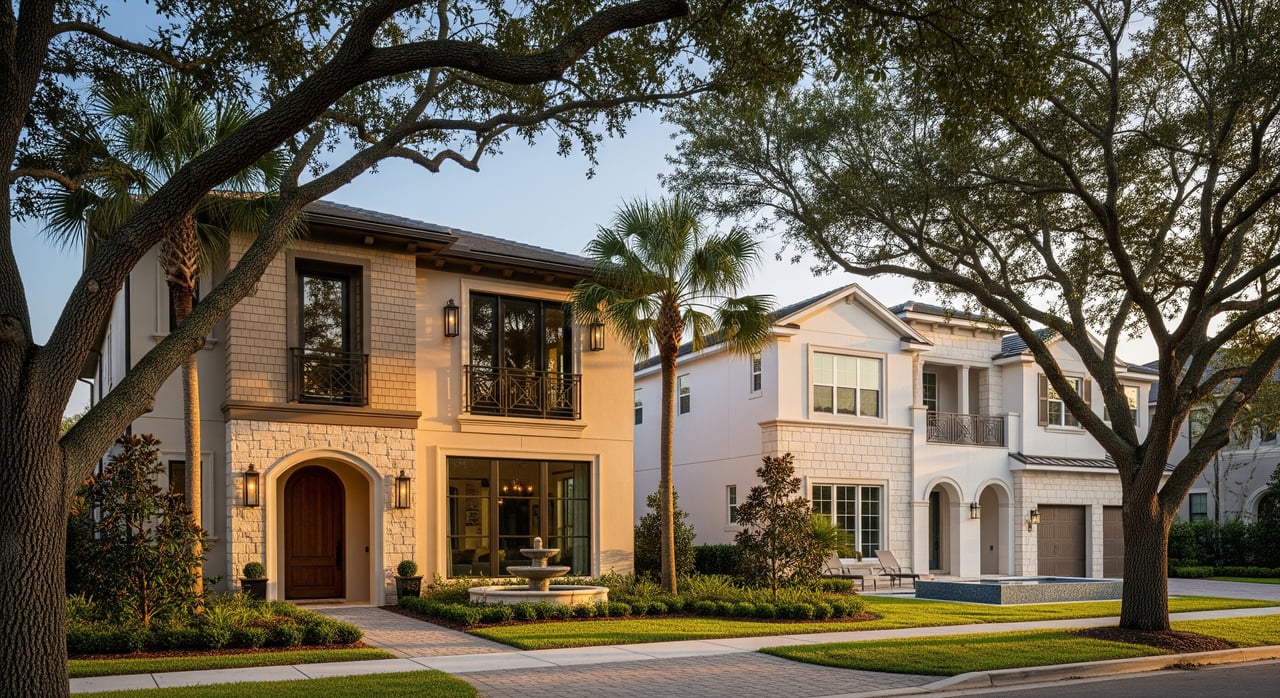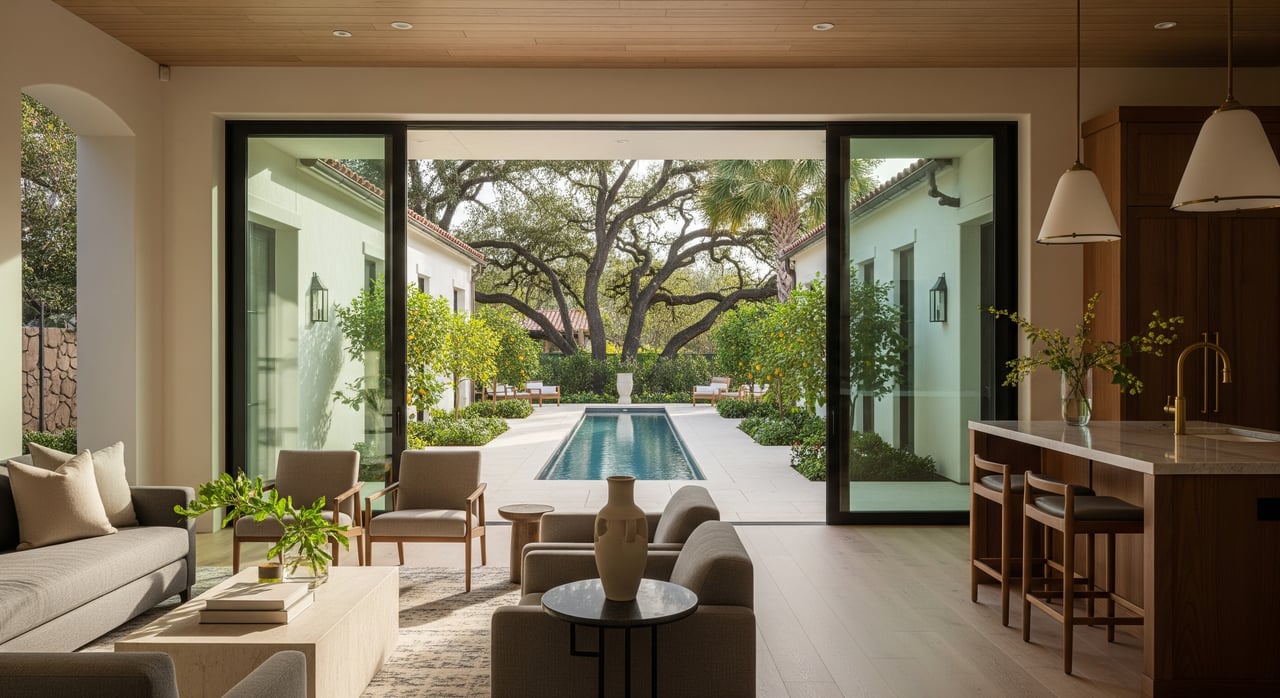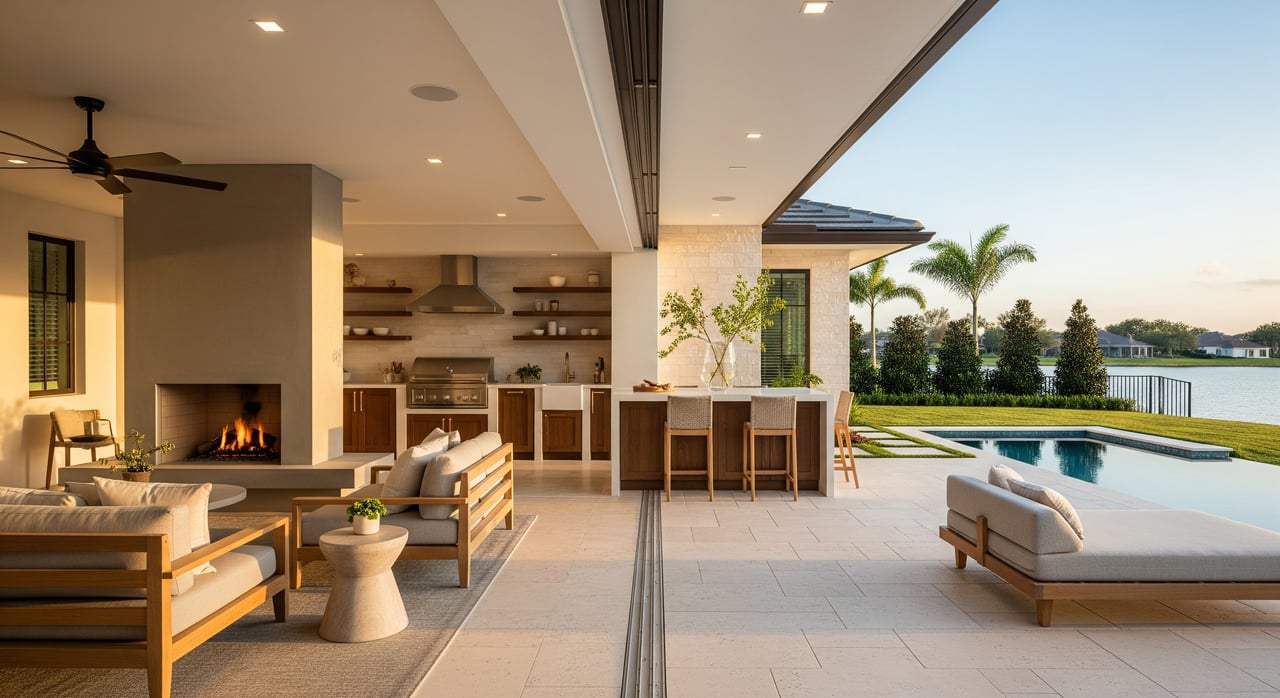
Picture this: your morning coffee in a breezy lanai, lunch from a summer kitchen, and sunset swims without worrying about bugs, heat, or storm prep. If you are building in St. Cloud’s Preserve at Lakeside, you can have that ease every day when you make smart, climate-ready choices from the start. The hot, humid summers, afternoon storms, and hurricane season shape what works and what lasts here. This guide shows you how to prioritize outdoor upgrades that feel effortless, look refined, and support long-term value. Let’s dive in.
Start with climate and code essentials
Central Florida’s humid subtropical climate brings long, hot summers, high humidity, frequent afternoon thunderstorms, and a defined hurricane season from June through November. Plan for shade, ventilation, and insect control, and choose materials that resist UV, moisture, and corrosion. Drainage is critical in heavy rain; be sure patios and lanais slope away from the home and toward approved drainage.
Florida Building Code and Osceola County permitting govern structural loads, utility connections, and safety requirements. Pools, permanent pergolas, gas lines, major electrical additions, and outdoor kitchens typically require permits and inspections. If your lot falls in a mapped flood zone, elevation and placement of equipment must align with flood guidance. Preserve at Lakeside homeowners should also review CC&Rs and architectural guidelines early so features like pergolas, grills, and screens meet community standards.
Design a lanai that works all year
Layout and orientation
Position the lanai to connect your main living areas to the pool and yard. Create zones, with dining and grilling closer to the kitchen and a quieter lounge area oriented to landscape views. Deeper overhangs and adjustable shading on west-facing sides help tame late-afternoon heat and glare.
Floors, ceilings, and drainage
Choose non-slip, low-maintenance surfaces such as textured porcelain pavers, stamped concrete with slip additives, or high-quality composite decking around water. Specify lighter, cooler-to-the-touch colors to reduce heat underfoot. A 9-foot or higher ceiling improves air movement; include outdoor-rated lights, sealed fixtures, and wiring for fans and future motorized screens. Keep all slabs sloped away from the home to prevent ponding and interior leaks.
Motorized screens: what to know
Motorized screens let you open the lanai when weather is perfect and close it for insects, sun, or rain. Standard insect mesh improves comfort and visibility, while hurricane or storm-rated options add wind and rain protection. For large openings, select systems with product approvals appropriate for Florida and plan support posts or multiple bays to avoid sag. Integrate conduit for controls, wind sensors, and safe latching in high winds, and choose corrosion-resistant hardware for long-term reliability.
Comfort and ventilation
Ceiling fans are essential for summer comfort. If you expect to enclose the lanai at times, rough-in power for a future ductless unit to extend seasonal use. Cross-ventilation through opposing openings helps clear humidity and smoke from cooking.
Build a durable summer kitchen
Smart layout and materials
A functional outdoor kitchen usually includes a built-in grill or cooktop, prep counter, sink, undercounter refrigeration, and storage. Keep the flow aligned with your indoor kitchen so cooking and serving feel seamless. Use outdoor-rated cabinetry and finishes, such as marine-grade or stainless interiors and stone or porcelain countertops that tolerate heat, humidity, and spills.
Fuel and ventilation choices
Select fuel based on availability and lifestyle. Natural gas offers a steady supply where service is available, while propane is common when it is not. Electric or induction options reduce open-flame and venting needs and are easy to site. Always follow manufacturer clearances for hoods and noncombustible surrounds, especially for built-ins.
Safety, permitting, and longevity
Have licensed contractors handle gas and electrical work, and plan on permits and inspections. Respect fire and property-line clearances and any HOA placement rules. For resilience, choose corrosion-resistant finishes, specify sealed cabinetry, and consider protective doors or covers to extend appliance life. Lockable access improves security when you are away.
Shade that actually cools
Fixed and adjustable structures
Layer shade for flexibility. Fixed elements like deeper roof overhangs and well-sized pergolas create dependable shelter. Add adjustable options, such as retractable awnings, louvered pergolas, shade sails, or motorized screens, so you can open the sky for breezes and close up for sun or rain. Confirm structural sizing and permitting before you build.
Planting that works in Osceola County
Select native or Florida-adapted trees and shrubs that tolerate heat, periodic drought, and heavy rain. Place fast-growing shade trees on west exposures to cool late-day sun, and keep large root systems clear of foundations, pool plumbing, and hardscape. Use Florida-Friendly landscaping principles to reduce irrigation demand and maintenance.
Mosquito and pest controls
A screened lanai offers the most reliable everyday protection. Design planting beds with good drainage to avoid standing water, and regularly empty water-collecting containers. If you keep the lanai open, consider integrated pest strategies like traps and scheduled professional treatments.
Pool and spa planning for daily use
Siting and safety
Place the pool where you have clear sightlines from the kitchen and living areas. Respect setbacks, easements, and existing trees, but avoid root conflicts near shells and plumbing. South-facing pools gain natural warmth, while nearby trees can increase debris and cleaning.
Pools and decks typically require permits and inspections. Expect safety requirements for barriers, self-latching gates, and alarms. Electrical bonding, grounding, dedicated circuits, and GFCI protection are code items that protect people and equipment.
Efficient equipment and automation
Variable-speed pumps can dramatically reduce electricity use compared with single-speed models. In Central Florida, heat pumps are efficient for maintaining swim temperatures, and solar pool heating is also common given the strong sun. Consider cartridge or sand filtration based on maintenance preference, and look at salt chlorine generators to simplify sanitation. Automatic covers help reduce evaporation, heating costs, and chemical use and can add a layer of safety. LED lighting and smart automation let you control pumps, heaters, covers, and lights from a single interface.
Water, landscape, and maintenance
Plan irrigation and drainage so runoff does not overburden the pool or surrounding beds. If you choose a salt system, confirm that nearby metals and stone are compatible. Budget for ongoing maintenance and equipment replacement over the life of the pool, and establish a storm-prep routine for covers, furniture, and equipment.
Climate-smart materials and systems
- Choose corrosion-resistant metals, UV-stable fabrics, and low-porosity deck surfaces to reduce staining and algae.
- Favor lighter, textured finishes underfoot near the pool to limit heat and improve traction.
- Specify variable-speed pool pumps, LED lighting, and ENERGY STAR outdoor refrigeration to curb operating costs.
- Consider heat pumps for pools and smart irrigation controllers with drought-tolerant planting to manage water use.
- Place mechanicals and electrical controls above expected flood levels and design for quick storm prep with storage and anchors.
Resale insights for Preserve at Lakeside
Buyers in Central Florida often prize thoughtful outdoor living that is easy to maintain. Screened lanais, low-maintenance materials, and well-designed summer kitchens appeal broadly. Pools attract many buyers, but clear documentation on equipment, safety features, and maintenance helps both pool fans and maintenance-conscious shoppers feel confident. Automated systems, hurricane-rated products, and organized warranty records add marketability and support pricing.
Your step-by-step checklist
Early concept and site planning
- Review Preserve at Lakeside CC&Rs and architectural guidelines for pergolas, screens, grills, pools, fencing, and finishes.
- Order a site survey and verify FEMA flood zone status for your lot.
- Confirm utilities for the plan: natural gas availability, electrical capacity for pumps and heaters, and irrigation source.
Design and specification
- Size lanai openings and plan pockets for motorized screens; rough-in conduit for controls and ceiling fans.
- Select outdoor-rated materials and equipment with documented Florida approvals and corrosion resistance.
- Choose efficient pool equipment and design a Florida-Friendly planting palette that reduces water use and pest habitat.
Permitting and contracting
- Obtain required building, electrical, plumbing, and mechanical permits with Osceola County.
- Use licensed contractors for gas, electrical, and pool construction who understand Florida Building Code and local inspections.
- Schedule HOA review and approval early to avoid redesigns.
Turnkey setup and lifecycle
- Budget for operating costs: pool energy and chemicals, landscape care, screen and fabric replacement, and seasonal storm prep.
- Create a homeowner file with manuals, permits, inspections, warranties, and key contractor contacts to support long-term ownership and future resale.
Ready to tailor your lanai, kitchen, shade, and pool to St. Cloud’s climate and your lifestyle? Our integrated team can coordinate architecture, interiors, construction, and vetted trade partners so your outdoor spaces feel effortless from day one. Book a Tour with Davila Custom Homes to start planning your new build at Preserve at Lakeside.
FAQs
What lanai screens work best for St. Cloud hurricanes?
- Choose motorized systems with Florida-appropriate product approvals for wind performance, and add wind sensors and secure latching for storm conditions.
Do I need a permit for a summer kitchen in Osceola County?
- Yes, gas lines, electrical work, and substantial outdoor kitchen installations typically require permits and inspections by licensed contractors.
Which pool heater is most efficient in Central Florida?
- Heat pumps are often the most energy-efficient choice here, with solar heating also common thanks to strong sun.
How can I reduce mosquitoes without a full enclosure?
- Improve drainage to eliminate standing water, use targeted traps or professional treatments, and add adjustable screens or shades when needed.
What outdoor countertop materials hold up in Florida humidity?
- Stone or porcelain countertops paired with outdoor-rated cabinetry, such as marine-grade or stainless interiors, offer strong durability.
Will adding a pool help resale in St. Cloud?
- Many buyers value pools in Central Florida, and clear safety features, low-maintenance equipment, and organized documentation can strengthen market appeal.