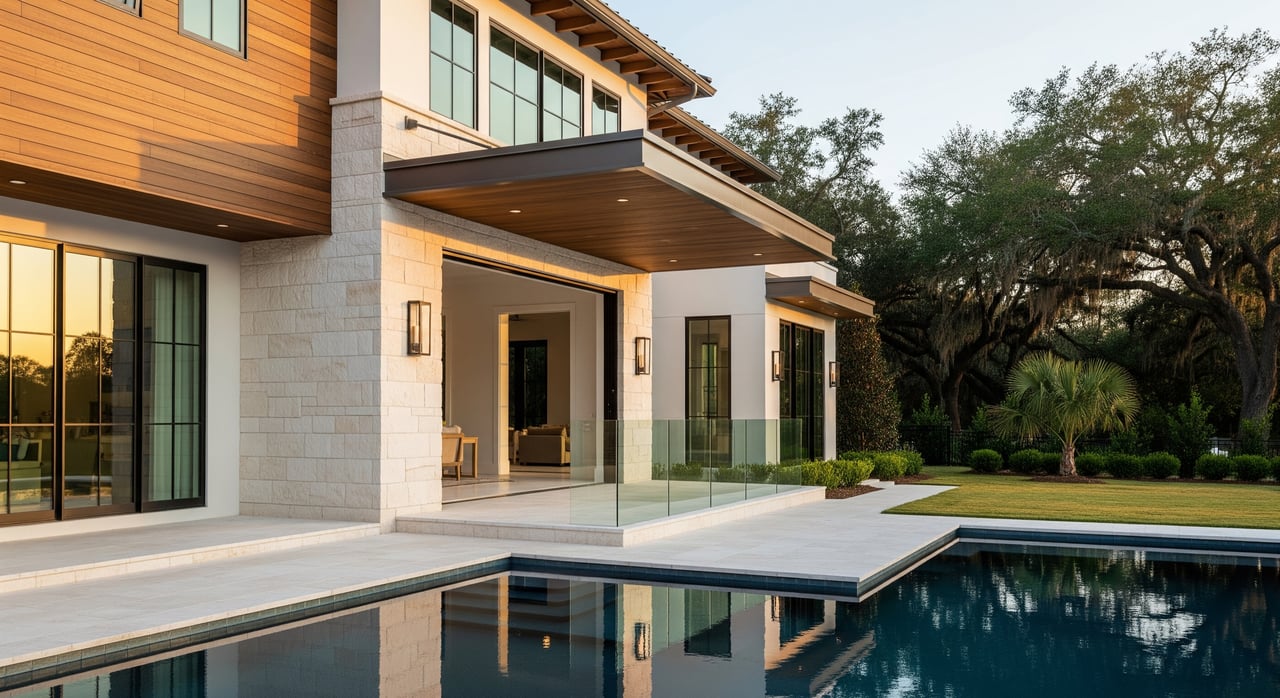
Thinking about building a luxury home in Oakland but unsure which path gets you there with less stress? You are not alone. Many high-end buyers want a beautiful custom residence without a maze of contracts, delays, or budget surprises. In this guide, you will learn what design-build is, how it differs from the traditional architect–bid–build approach, and why it can be a smart fit for luxury homes in Oakland and Orange County, Florida. You will also find local permitting tips, key contract points, and a buyer checklist to help you move forward with clarity. Let’s dive in.
Design-build vs. architect–bid–build
What design-build means
Design-build uses a single team and contract to deliver both design and construction. You hire one entity to handle architecture, engineering, selections, and the build itself. The design and construction teams work together from day one, so budget, schedule, and design details stay aligned.
Variants include contractor-led design-build, architect-led design-build, and progressive design-build where pricing is set after early design milestones. Some owners also use design-assist to bring a builder in early for constructability input while keeping separate design and build contracts.
How architect–bid–build works
In the traditional model, you hire an architect to complete the design, then send the finished plans out to contractors for competitive bids. Design and construction occur in sequence under separate contracts that you manage. This approach can maximize competitive pricing on a fully defined scope but typically lengthens the timeline and may create more coordination work for you.
Key differences that matter to you
- Single point of responsibility vs. multiple contracts to manage.
- Overlapping design and construction in design-build vs. a strictly sequential process.
- Earlier cost input from the builder in design-build vs. full bidding after design in architect–bid–build.
- Fewer disputes over design intent with one integrated team vs. potential interpretation gaps between architect and contractor.
Why design-build fits Oakland luxury homes
Luxury projects in communities like The Grove often include custom architecture, bespoke finishes, and specialty systems. That level of detail benefits from early builder input and tighter coordination.
- Design intent stays intact. Integrated teams align materials, details, and construction methods early, reducing last-minute changes that can dilute a high-end vision.
- Budget clarity sooner. Iterative estimating helps you make smart tradeoffs on finishes, systems, and features without restarting design.
- Shorter overall timeline. Overlapping design with procurement allows long-lead items like custom windows, millwork, or lighting to be ordered sooner.
- Simplified communication. You get one project leader guiding a complex set of decisions, consultants, and trades.
Budget, schedule, and quality
Cost controls you can expect
Design-build teams commonly use target pricing or a Guaranteed Maximum Price once drawings reach a certain level. You should see:
- Early conceptual estimates that refine as design matures.
- Clear allowances for high-variability items like appliances, stone, and lighting.
- Defined owner selection deadlines to prevent delays.
- Transparent change-order procedures and contingency use.
Shorter, smarter timelines
By fast-tracking, site work and structure can start while interiors finalize. One team manages the critical path, trade sequencing, and long-lead procurement. The result is often fewer pauses and less redesign.
Keeping design intent
Expect documented design-intent drawings, finish schedules, and mockups for key details. These steps help preserve precision craft, from façade joints to custom millwork, while making sure the build matches the vision.
Contracts that protect you
Common contract models
- Lump sum with target price or GMP. Sets a ceiling on owner risk, subject to defined changes.
- Cost-plus with a not-to-exceed amount. Maximizes transparency, with a cap and clear fee structure.
- Progressive design-build. Team engages early and sets price at an agreed design milestone.
Clauses to include
- Scope definition and allowance management.
- Contingency and change-order rules.
- Schedule milestones and owner selection deadlines.
- Warranty and post-occupancy service expectations.
- Insurance, licensing verification, and dispute resolution methods.
Oakland and Orange County permitting roadmap
Who reviews your plans
Permits are typically handled by the Town of Oakland or the Orange County Building Division, depending on jurisdiction. Your design-build team should confirm the correct authority, coordinate plan submittals, and track review timelines.
Flood, wind, and site factors
Central Florida homes must meet the Florida Building Code, including wind and hurricane-resistance requirements. For lake-adjacent or low-lying lots, check FEMA flood maps and elevation rules that can affect foundations and first-floor heights. Drainage, grading, and stormwater plans are essential for heavy rainfall events.
HOA and architectural review
High-end communities often have architectural review and design guidelines that regulate exteriors, rooflines, colors, and landscaping. Plan for HOA submittals, potential revisions, and integration of those steps into your master schedule.
Tradeoffs and how to manage them
Design-build is not one-size-fits-all. Understand these tradeoffs and mitigation strategies:
- Reduced open bidding. You may not get a full competitive bid on a finished set of drawings. Mitigate by asking for multiple bids on major trade packages.
- Reliance on one team. Trust and transparency are essential. Vet licenses, insurance, references, and portfolios.
- Scope drift risk. Without selection deadlines and firm allowances, costs can creep. Use clear contracts with milestones and decision dates.
Buyer checklist for first meetings
Use these questions to compare teams and confirm fit:
Team and experience
- Who is my single point of contact and how often will we meet?
- Is the team contractor-led, architect-led, or a joint venture? Can you show similar luxury projects in Central Florida?
- Are the architect and contractor licensed in Florida, and fully insured?
Budget and contracts
- When will I see a conceptual estimate, and how do you set a GMP or target price?
- How do you manage allowances for appliances, stone, and lighting?
- What contingencies are included and how are change orders priced?
Schedule and procurement
- What is the timeline from schematic design to move-in?
- How do you handle HOA review and local permitting in the schedule?
- How do you plan for specialty trades to avoid delays?
Quality and design intent
- How will you document finishes and protect design intent?
- Will you create mockups for critical details?
- What warranty and post-occupancy support do you offer?
Risk and dispute resolution
- What insurance and bonding are in place?
- Do you allow independent cost or design reviews if I want a second opinion?
- What mediation or arbitration methods are in the contract?
Local site and compliance
- Have you built in Oakland or Orange County and worked with local inspectors?
- How do you address Florida-specific needs like wind loads, moisture control, and termite protection?
- Will you verify utilities, drainage constraints, and any impact fees early?
How design-build looks day to day
A strong design-build process sets milestones for plans, selections, and procurement. Expect:
- Regular budget updates as drawings develop.
- Early orders for long-lead items.
- A detailed critical-path schedule with selection deadlines.
- Site coordination among high-skill trades like stone, cabinetry, AV, and landscape.
- Defined punch-list and warranty steps before and after move-in.
Why a vertically integrated team helps in Oakland
Oakland’s luxury homes call for precision, from hurricane-rated glazing to humidity control. A single, integrated team can align architecture, interiors, structure, and site work so you get a cohesive result without constant rework. The same team manages HOA cycles, local permitting, and specialty trades, which helps keep your design intent intact and your timeline realistic.
Ready to explore your options?
If you want a refined, design-led path from concept to keys in Oakland or the greater West Orlando corridor, consider a team that brings architecture, interiors, and construction under one roof with a single point of contact. That model is built to simplify choices, protect design quality, and respect both budget and time.
Curious how this could work for your lot or a homesite in a community like The Grove? Connect with the local, founder-led team at Davila Custom Homes to start a conversation.
FAQs
What is design-build vs. architect–bid–build for custom homes?
- Design-build uses one team and contract for design and construction. Architect–bid–build separates the two and bids the project after design is complete.
How can design-build shorten my timeline in Oakland, FL?
- The team can overlap design, permitting prep, and procurement, ordering long-lead items early while final design details progress.
Does design-build give me cost certainty on a luxury home?
- Many teams use target pricing or a Guaranteed Maximum Price after defined design milestones, plus clear allowances and contingencies.
Who issues permits for a new home in Oakland, FL?
- Depending on the property, reviews may go through the Town of Oakland or the Orange County Building Division, with HOA review where applicable.
How does design-build protect design intent for high-end finishes?
- Integrated teams document design intent, manage selections and mockups, and coordinate trades early to reduce rework and last-minute substitutions.
What Florida-specific requirements should I plan for?
- The Florida Building Code, wind and impact-resistance needs, drainage and flood elevation checks, moisture control, and termite mitigation.
What contract terms should I ask for with design-build?
- Clear scope and allowances, contingency and change-order rules, schedule milestones, warranty obligations, insurance, and dispute resolution.